情人節是展示你對你的狗的感情的最佳時機,其中一個方法是為它們制作手工服裝。通過自己制作它們的服裝,你可以展示你的愛和富有想象力的一面,同時確保它們感到被欣賞。在這篇文章中,我們將深入探討為你的小狗制作valentines day dog clothes的積極方面,並提供一些關於如何開始的有益指導。
當您用自己的雙手為您的幼犬制作valentines day dog clothes時,它增加了一種獨特的觸感,這是商店購買的東西所無法複制的。您對縫制和面料的個人選擇顯示了您的關心,為您的四條腿的伴侶創造了一個獨特的valentines day dog clothes。自制服裝還允許您定制設計,因此它完美地反映了您的狗的性格和時尚感。不管是什么衣服–一件溫暖的毛衣、一條優雅的裙子或一條可愛的頭巾–為制作手工服裝所付出的時間和努力將使您的寵物狗感到真正的特別。
自己為狗狗制作valentines day dog clothes有很多好處,特別是在獲得合適的衣服方面。大多數現成的衣服可能不適合所有品種或尺寸的狗。通過測量和制作手工服裝,您可以確保您心愛的小狗有一套對它們來說很舒適的服裝,並允許充分的運動。這不僅會讓你的小狗感到被寵愛,而且它們的健康和快樂也可能會受益。
情人節是一個向你的四條腿的朋友表示感謝的好機會。創作手工制作的valentines day dog clothes是你們關系的完美象征,展示了在制作獨特物品時投入的愛和關懷。這種感情的表達超越了任何物質財富,並加強了您和您的小狗之間由信任和團結形成的聯系。
為您的幼犬制作valentines day dog clothes給了您一個很好的機會來展示您的創造力和表達您自己的風格。嘗試各種面料、顏色、設計和裝飾,組裝出一個令人愉快和個性化的組合。從帶有心形和花朵的浪漫圖案到融入生動色調的有趣設計–選擇是無限的! 制作這些服裝既給制作者帶來快樂,也給你和你的四條腿的伴侶的情人節慶祝活動帶來額外的歡樂。
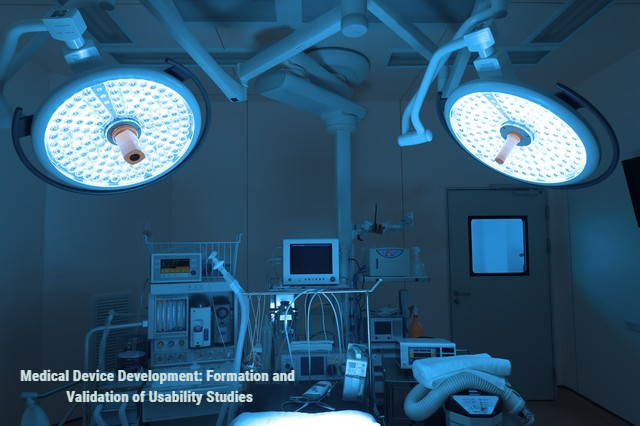
Because the advantages offered by processing card payments usability engineering are often reflected in the sale and use of a product, current medical device design manufacturers often fail to notice this. Regulatory agencies and technical committees also overlook it. However, usability engineering has positive implications for long-term product experience and user loyalty to products, and medical device practitioners should have a deeper understanding and practical application of usability design. This paper examines the following two types of usability research: formative usability research and validated usability research.
Formative and validation
Formative studies are typically portable container conducted early and mid-product development, with the goal of improving the design as it is developed. We observe the interaction between users and the product to identify strengths, weaknesses, and potential usage errors. The advantages of formative research are only available when it is repeated in the real world. In other words, formative research can be done multiple times throughout the development process; the findings of each formative study will provide the basis for current design decisions. It also allows engineers and designers to see changes and improvements in the product, translating from a successful concept to the final product.
Features: Formative studies are the most medical device development process resource-efficient and cost effective method of evaluation and analysis when a corporate product is being iterated rather than officially launched in China. Its requirements we not as stringent as conducting validation studies and can be done quickly and continuously during the iterative development process. The audience for a formative study should be the design management team or other national interests as well as stakeholders. It is less costly and less time consuming than a validation evaluation system.
Usability validation studies are also used to identify errors, and their purpose is to verify or confirm that the product is effective, comfortable, and safe for all relevant users. Formative testing helps inform future design decisions, while validation testing is the solution to a current or potential problem. For medical devices in the United States, validation testing is designed to demonstrate to the FDA that neither the user nor the patient was harmed during the use of the device.
In summary, testing for formative teaching studies helps students create a good product of their own, while validation studies can be conducted to confirm that a company’s product is good.
Features:A validation study is a mandatory stage when a product is about to be released and the design team needs valid evidence that the new design performs better and is safer than the previous design. It should use a sufficient sample size to statistically test the reliability of the results. Its requirements are more stringent than formative studies and are conducted before the design is released to the customer. The audience for a validation study is ultimately the millions of customers of the product. It is typically more expensive and time-consuming than formative studies.
As mentioned earlier, validation analysis studies are typically submitted to the FDA, and our faculty can simultaneously consult with FDA review managers through technical consultation about applying human impact factors and usability engineering to the medical device development design process to make our results useful to both regulatory and customers, and more consistent with the requirements they expect of the product.

 無意惹紅顏
無意惹紅顏 